The year 2026 is shaping up to be a breakthrough moment for wearable technology and smart gadgets, with innovations that are not only smarter but also more seamlessly integrated into daily life, as tech enthusiasts continue to explore cutting-edge trends and insights on https://penbeats.com/ across the global innovation landscape.
A New Era of Intelligent Wearables
Wearable technology has evolved far beyond basic fitness tracking. Today’s devices are becoming more intuitive, personalized, and essential to how people live, work, and interact with the world.
From Accessories to Necessities
Modern wearables are no longer optional gadgets—they are becoming core tools for:
- Health monitoring
- Communication
- Productivity enhancement
This shift is driven by rapid advancements in sensors, artificial intelligence, and connectivity.
Smartwatches Get Smarter Than Ever
Smartwatches remain at the forefront of wearable tech, but their capabilities have expanded significantly in 2026.
Advanced Health Monitoring
New-generation smartwatches now offer:
- Continuous blood pressure tracking
- Non-invasive glucose monitoring
- Advanced sleep and stress analysis
These features are transforming devices into powerful health companions.
Seamless Ecosystem Integration
Smartwatches now connect effortlessly with smartphones, smart homes, and even vehicles, allowing users to control multiple aspects of their environment from their wrist.
Smart Glasses Enter the Mainstream
After years of development, smart glasses are finally becoming widely adopted.
Augmented Reality in Everyday Life
These devices overlay digital information onto the real world, enabling:
- Real-time navigation
- Instant language translation
- Hands-free notifications
Smart glasses are particularly useful for professionals, travelers, and content creators.
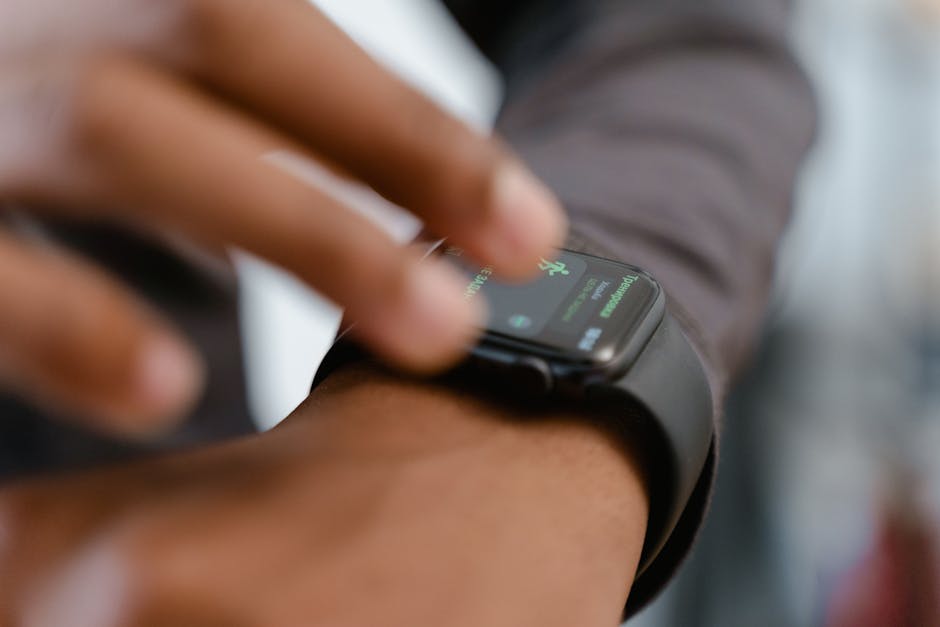
AI-Powered Fitness and Wellness Devices
Fitness wearables have become significantly more intelligent, thanks to AI-driven insights.
Personalized Coaching
Devices now provide:
- Real-time workout adjustments
- Customized fitness plans
- Recovery and injury prevention recommendations
This level of personalization helps users achieve better results with less guesswork.
Mental Health Tracking
Beyond physical health, wearables are now focusing on mental well-being by tracking stress levels, mood patterns, and even suggesting mindfulness exercises.
Smart Rings and Minimalist Wearables
For users who prefer subtle technology, smart rings are emerging as a popular alternative.
Small Device, Big Capabilities
Despite their size, smart rings can:
- Track sleep and activity
- Monitor heart rate and body temperature
- Enable contactless payments
Their discreet design makes them ideal for everyday use.
Wearable Tech in Fashion
Fashion and technology are merging more closely than ever.
Stylish and Functional
Designers are collaborating with tech companies to create wearables that are both aesthetically appealing and highly functional.
Examples include:
- Smart clothing with embedded sensors
- Adaptive fabrics that respond to temperature
- Fashion-forward fitness gear
This trend is making wearable tech more accessible to a broader audience.
Smart Home Integration on the Go
Wearables are becoming central hubs for controlling smart environments.
Total Connectivity
Users can now:
- Adjust lighting and temperature remotely
- Monitor home security systems
- Control appliances with voice commands
This level of integration enhances convenience and efficiency.
Battery Life and Sustainability Improvements
One of the biggest challenges in wearable tech has been battery life, but 2026 is seeing major improvements.
Longer-Lasting Devices
Innovations include:
- Energy-efficient processors
- Solar-assisted charging
- Wireless charging advancements
Eco-Friendly Design
Sustainability is also becoming a priority, with companies focusing on:
- Recyclable materials
- Reduced electronic waste
- Longer product lifecycles
Challenges Facing Wearable Technology
Despite rapid progress, the industry still faces hurdles.
Privacy and Data Security
As devices collect more personal data, concerns around privacy and security are increasing. Companies must ensure robust protections to maintain user trust.
Cost and Accessibility
High-end wearable devices can be expensive, limiting access for some consumers. However, competition is gradually driving prices down.
The Future of Smart Gadgets
The innovations of 2026 are just the beginning of what wearable technology can achieve.
What Lies Ahead
- Deeper integration with artificial intelligence
- Expansion into medical-grade diagnostics
- Greater personalization through data analysis
These developments suggest that wearable tech will continue to play a central role in shaping modern lifestyles.
Conclusion
The hottest wearable tech and smart gadgets of 2026 are transforming how people interact with technology and manage their daily lives. From advanced health monitoring to immersive augmented reality, these innovations are pushing the boundaries of what’s possible.
As trends continue to evolve and new devices enter the market, wearable technology is set to become even more integral to the future—blending seamlessly into everyday experiences while delivering powerful, intelligent solutions.
Related reading: How Social Media and Mobile Gaming Are Driving Significant Sales Growth | Key Factors to Consider in a Financial Trading Platform Environment